


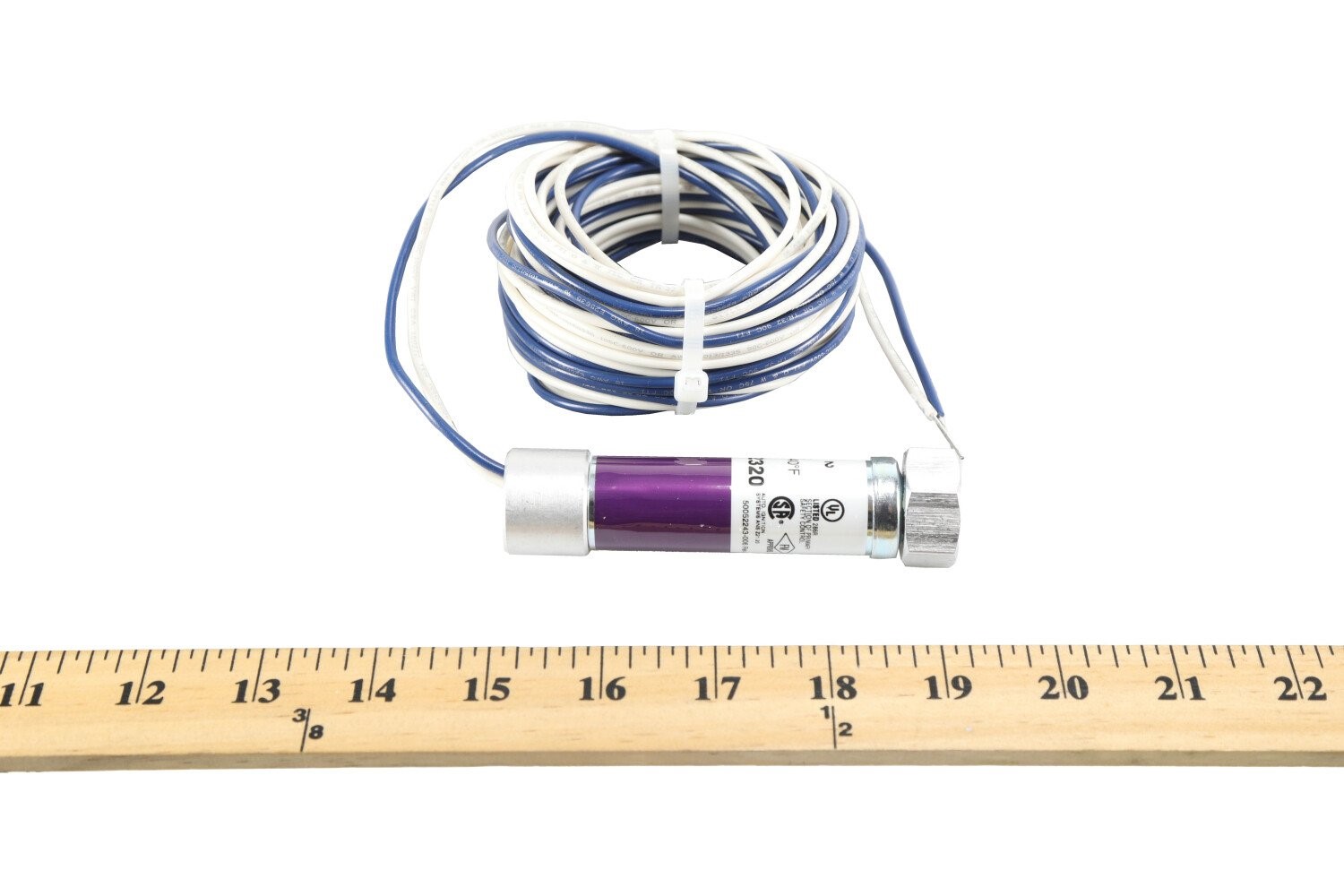
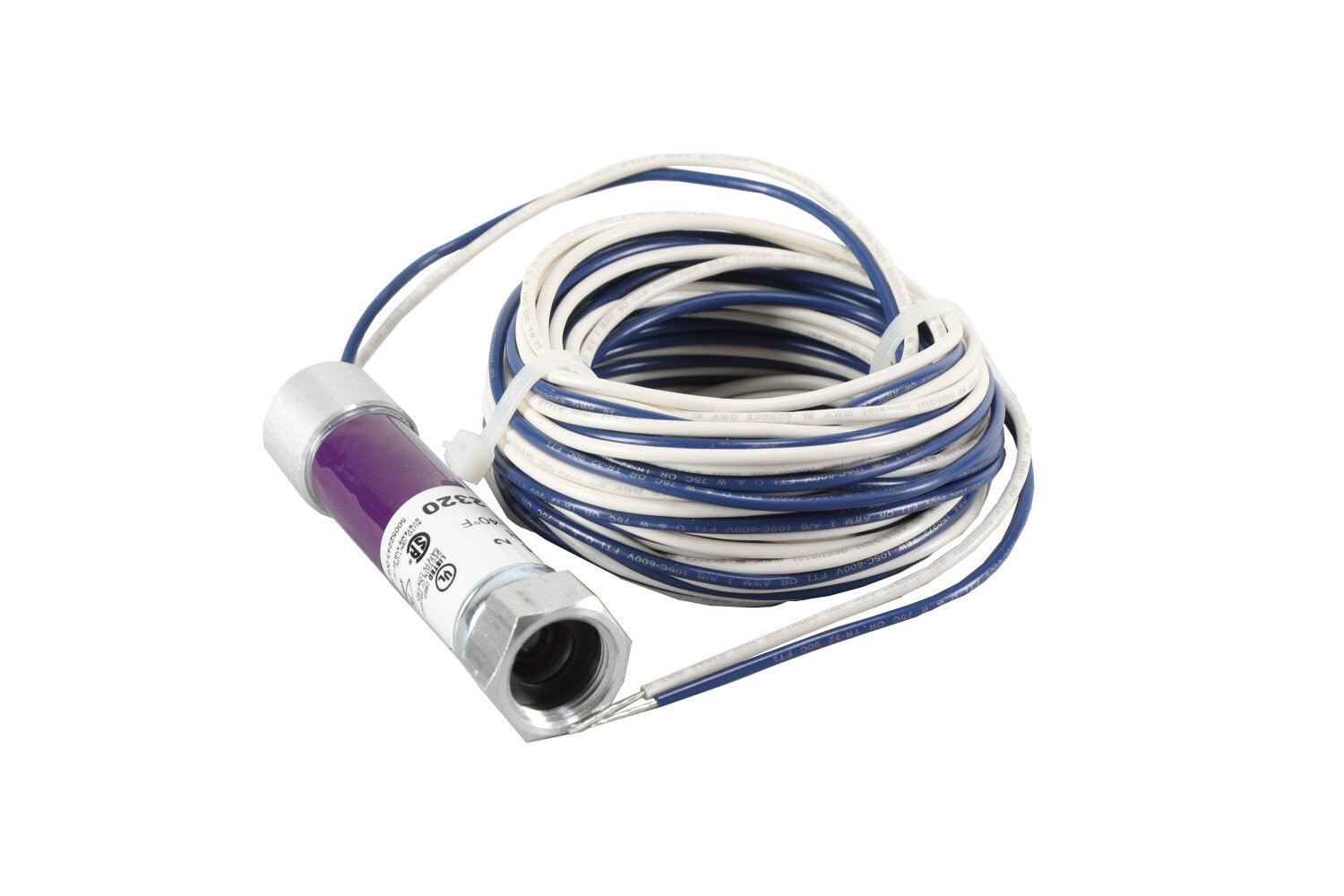
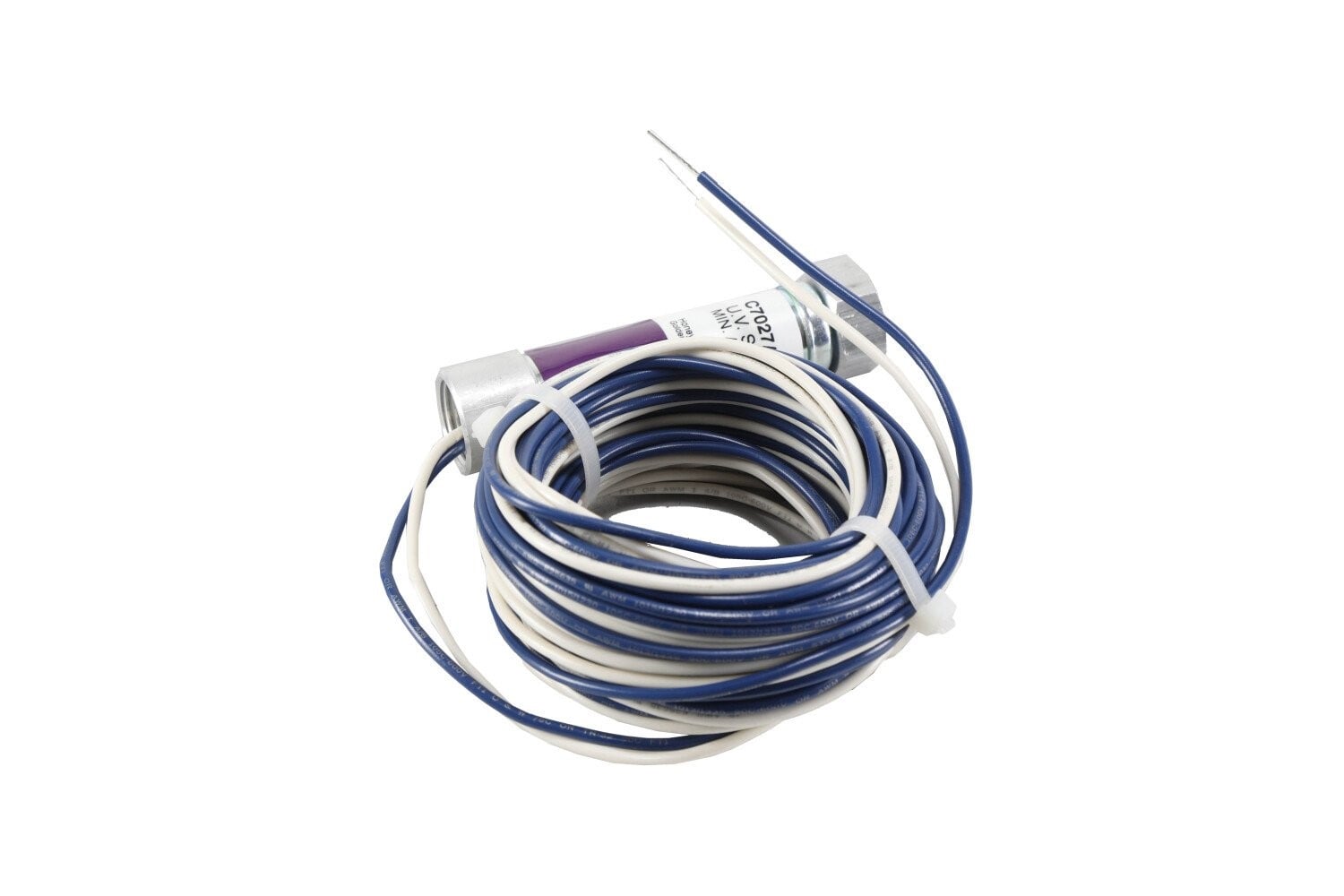
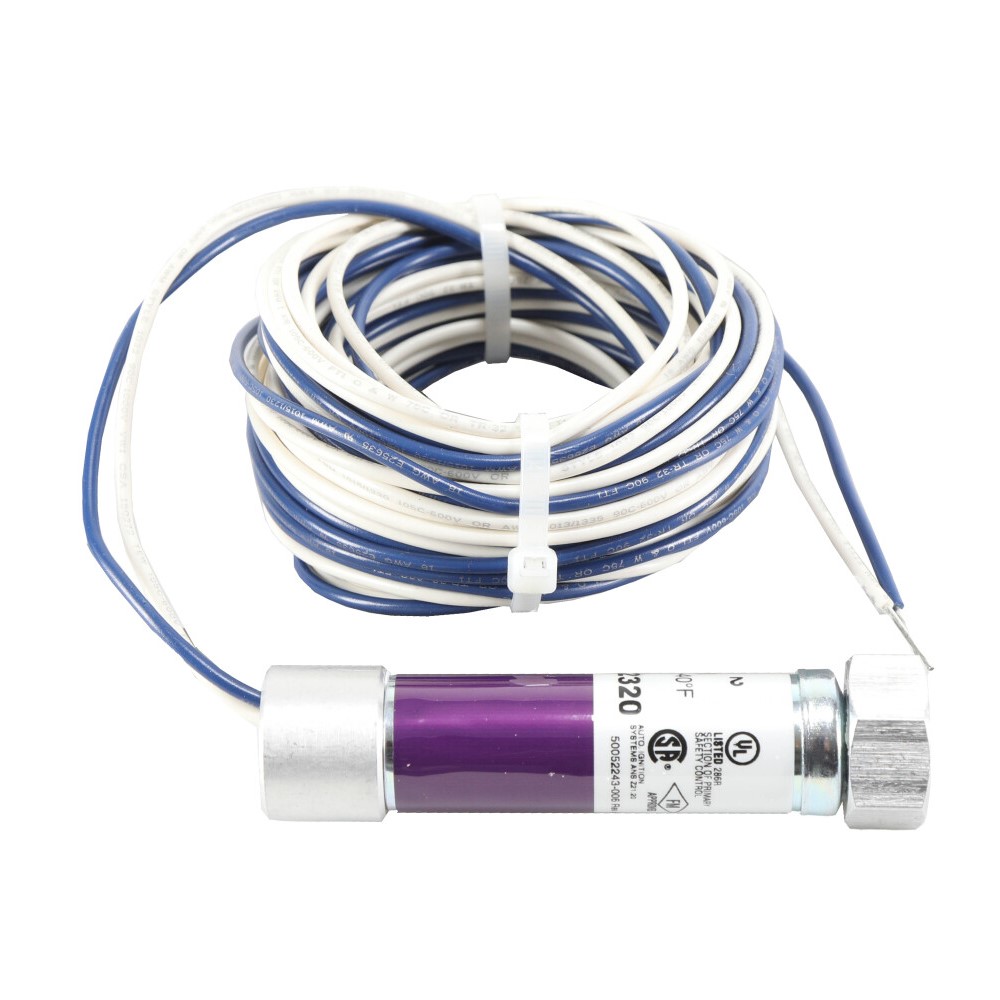


C7027A1064 Honeywell Minipeeper UV Flame Sensor
$410.00
The Honeywell C7027A1064 Flame Sensor -40 TO 215F 1/2 IN CONDUIT SPUD. 24 FT. LEADS.
2 in stock (can be backordered)
The Honeywell C7027A1064 Flame Sensor -40 TO 215F 1/2 IN CONDUIT SPUD. 24 FT. LEADS.;Minipeeper Ultraviolet Flame Detector, Used for Coal, Gas and Oil Fired Burners, 288 Inch Lead Length, -40/215 Degree Ambient Temperature, Mounts on 1/2 Inch Sighting Pipe Using A Integral Collar, Includes 1/2 Inch NPT Spud Connector
Overview
The Honeywell C7027A1064 is a Minipeeper ultraviolet (UV) flame sensor used in burner control systems. It senses the UV emissions from a flame to confirm presence, and is suited for installation in tight locations thanks to its compact design and standard ½-inch mounting. It often includes a 24 V LED status indicator for visual confirmation of flame status.
Specifications
| Specification | Detail |
|---|---|
| Model | C7027A1064 |
| Sensor Type | Ultraviolet (UV) flame detector |
| Operating Temperature | ~0 °F to 215 °F |
| Pressure Sealing Capability | Up to 5 psi (when properly sealed) |
| Mounting | ½-inch sight pipe via integral collar |
| Lead / Cable Length | Typically ~8 ft |
| Visual Indicator | LED status indicator (24 V) |
| Parallel Wiring | Supports up to two sensors in parallel for expanded flame coverage |
| Housing & Construction | Rugged encapsulated sensor with protection for combustion environments |
Features & Benefits
-
Compact and rugged “Minipeeper” form factor allows installation in constrained spaces
-
LED indicator provides visual feedback of flame status
-
Parallel wiring capability supports enhanced flame path coverage
-
Sealed design for up to 5 psi when installed correctly
-
Reliable UV detection with honeywell-grade construction
-
Standard ½-inch collar simplifies mounting to sight tube
Applications
-
Boilers, furnaces, and burner systems requiring UV flame sensing
-
Installations with limited clearance or space constraints
-
Retrofits where visibility or flame path is challenging
-
Control systems needing LED flame status feedback
Installation & Maintenance Notes
-
Mount sensor properly with clear sight path to the flame
-
Use appropriate black iron sight tubing to avoid reflection interference
-
Avoid running sensor leads in the same conduit as ignition wiring
-
Periodically inspect and clean the sensor window
-
Replace the sensor if UV response weakens or if LED status becomes erratic
| Weight | 2 lbs |
|---|---|
| Dimensions | 6 × 4 × 4 in |
Be the first to review “C7027A1064 Honeywell Minipeeper UV Flame Sensor”
You must be logged in to post a review.
Related Product(s)


Reviews
There are no reviews yet.