




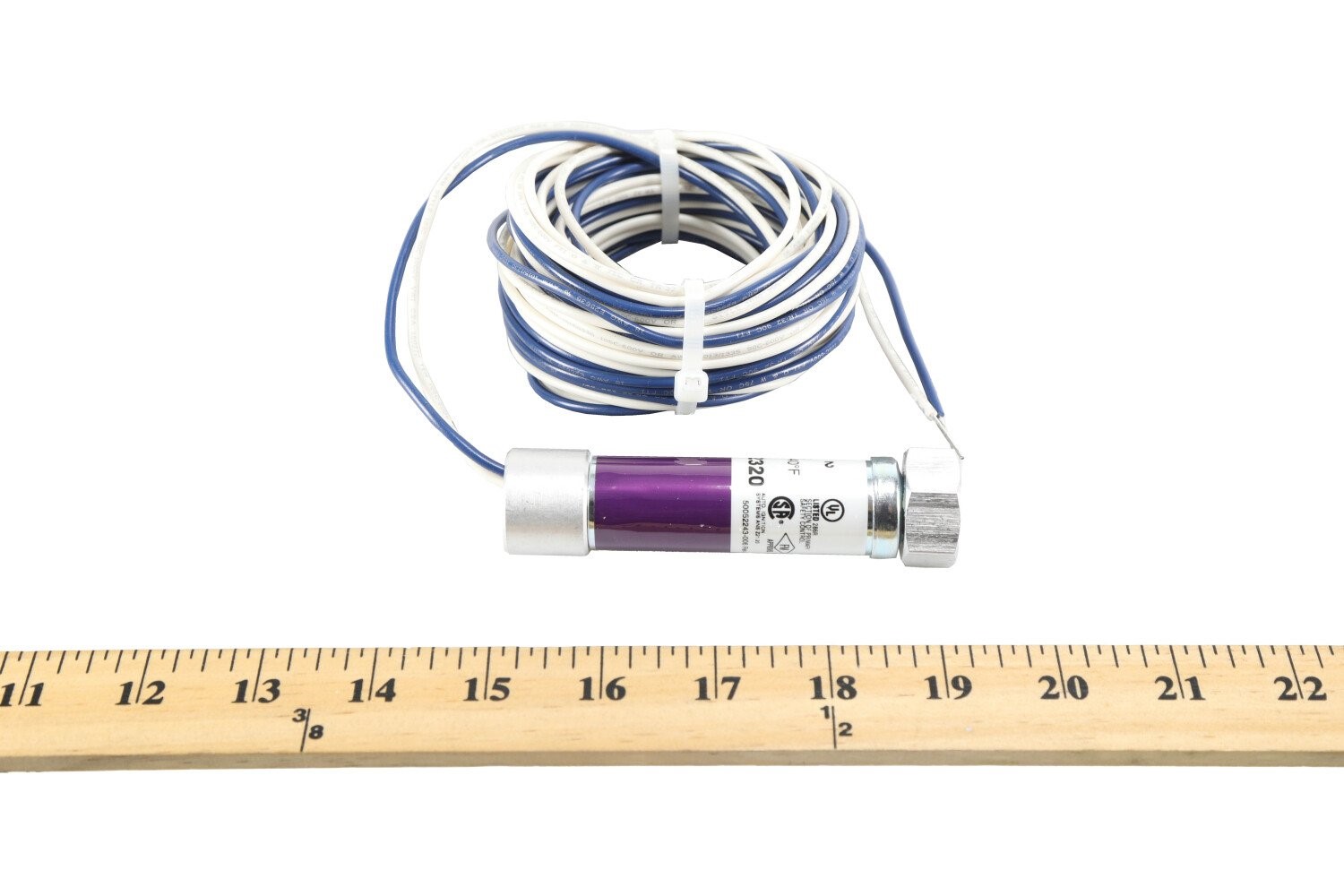
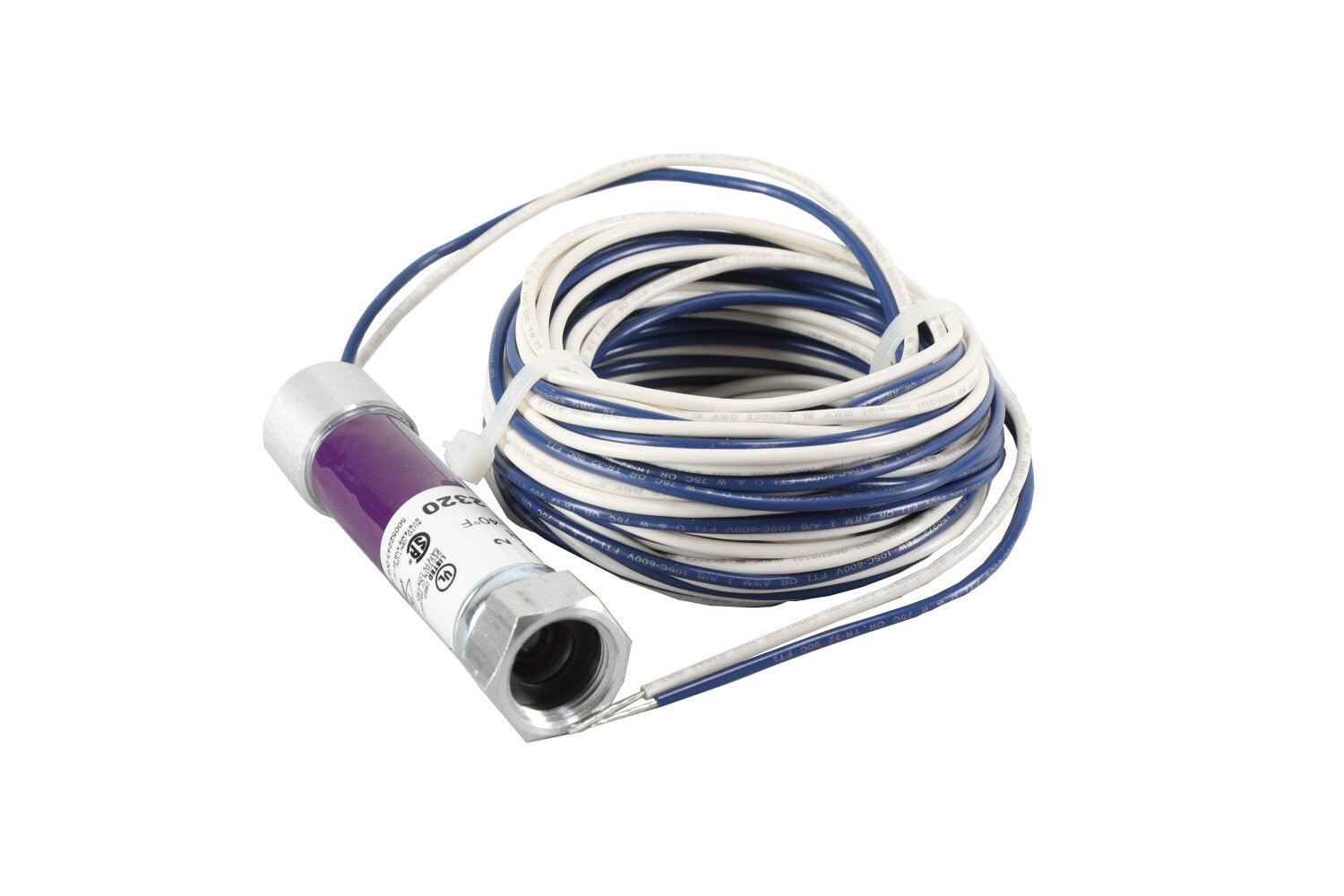
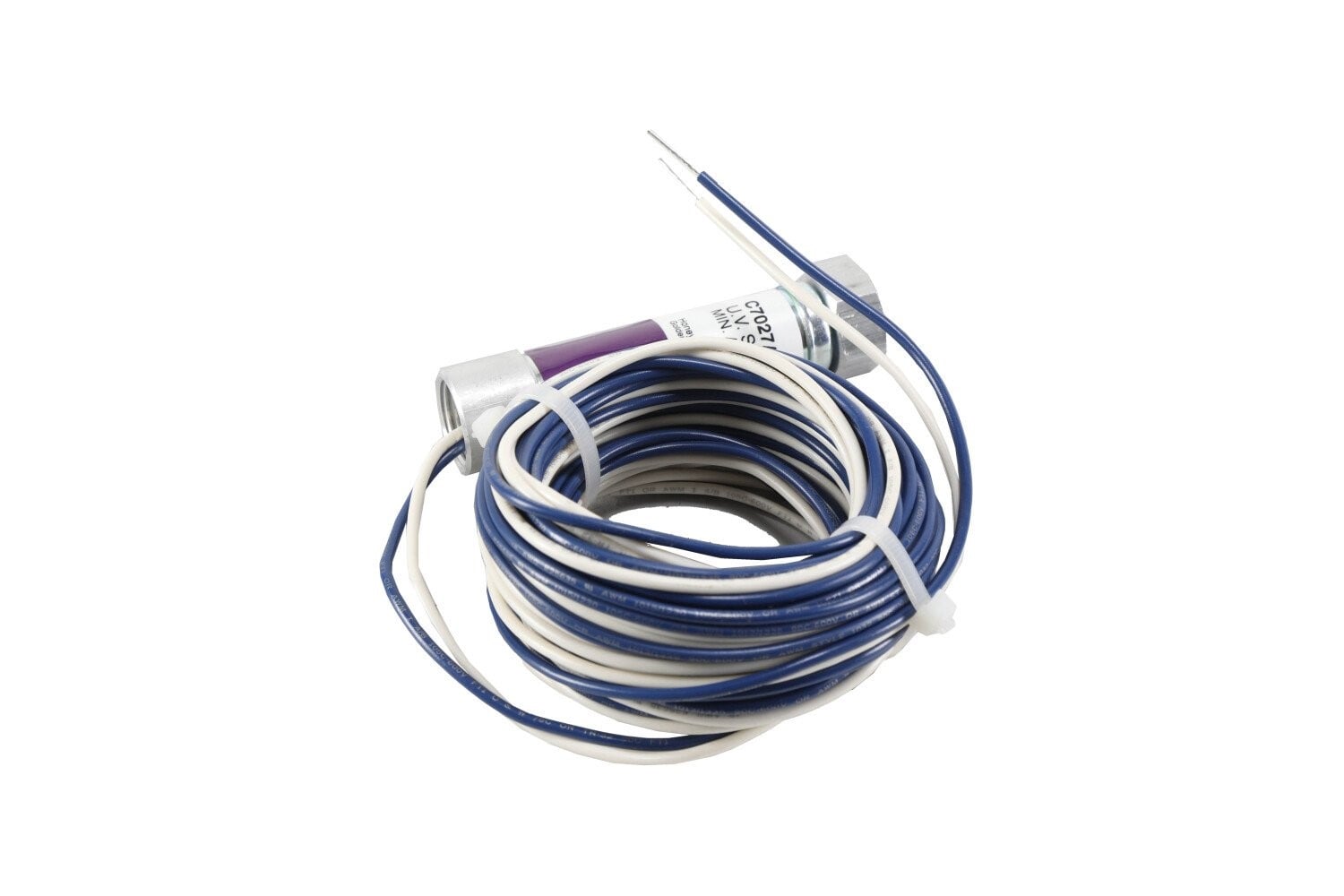
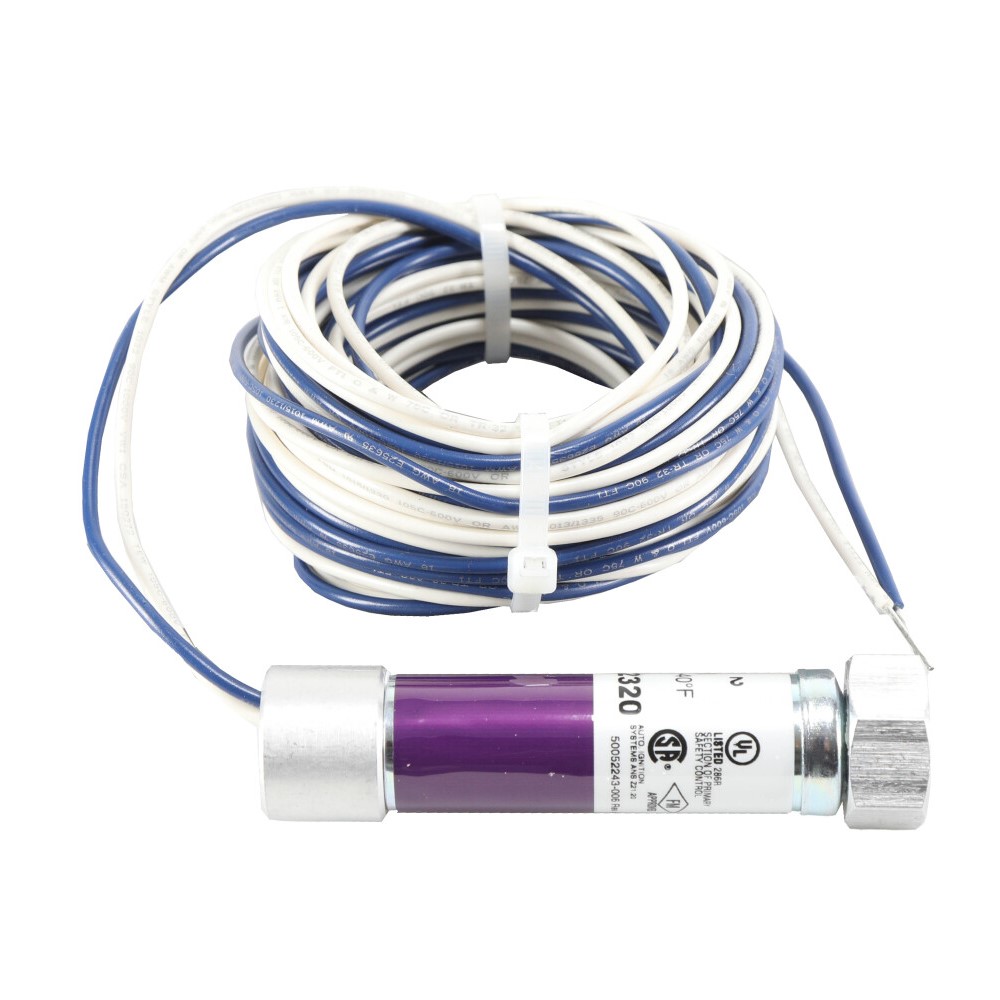

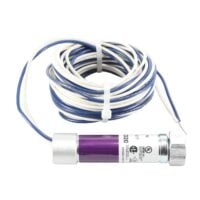


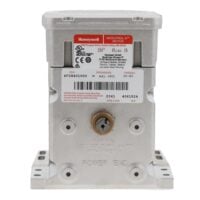
C7027A1064 Honeywell Minipeeper UV Flame Sensor
$410.00
The Honeywell C7027A1064 Flame Sensor -40 TO 215F 1/2 IN CONDUIT SPUD. 24 FT. LEADS.
5 in stock (can be backordered)
The Honeywell C7027A1064 Flame Sensor -40 TO 215F 1/2 IN CONDUIT SPUD. 24 FT. LEADS.;Minipeeper Ultraviolet Flame Detector, Used for Coal, Gas and Oil Fired Burners, 288 Inch Lead Length, -40/215 Degree Ambient Temperature, Mounts on 1/2 Inch Sighting Pipe Using A Integral Collar, Includes 1/2 Inch NPT Spud Connector
Overview
The Honeywell C7027A1064 is a Minipeeper ultraviolet (UV) flame sensor used in burner control systems. It senses the UV emissions from a flame to confirm presence, and is suited for installation in tight locations thanks to its compact design and standard ½-inch mounting. It often includes a 24 V LED status indicator for visual confirmation of flame status.
Specifications
| Specification | Detail |
|---|---|
| Model | C7027A1064 |
| Sensor Type | Ultraviolet (UV) flame detector |
| Operating Temperature | ~0 °F to 215 °F |
| Pressure Sealing Capability | Up to 5 psi (when properly sealed) |
| Mounting | ½-inch sight pipe via integral collar |
| Lead / Cable Length | Typically ~8 ft |
| Visual Indicator | LED status indicator (24 V) |
| Parallel Wiring | Supports up to two sensors in parallel for expanded flame coverage |
| Housing & Construction | Rugged encapsulated sensor with protection for combustion environments |
Features & Benefits
Compact and rugged “Minipeeper” form factor allows installation in constrained spaces
LED indicator provides visual feedback of flame status
Parallel wiring capability supports enhanced flame path coverage
Sealed design for up to 5 psi when installed correctly
Reliable UV detection with honeywell-grade construction
Standard ½-inch collar simplifies mounting to sight tube
Applications
Boilers, furnaces, and burner systems requiring UV flame sensing
Installations with limited clearance or space constraints
Retrofits where visibility or flame path is challenging
Control systems needing LED flame status feedback
Installation & Maintenance Notes
Mount sensor properly with clear sight path to the flame
Use appropriate black iron sight tubing to avoid reflection interference
Avoid running sensor leads in the same conduit as ignition wiring
Periodically inspect and clean the sensor window
Replace the sensor if UV response weakens or if LED status becomes erratic
| Weight | 2 lbs |
|---|---|
| Dimensions | 6 × 4 × 4 in |
Be the first to review “C7027A1064 Honeywell Minipeeper UV Flame Sensor”
You must be logged in to post a review.
Related Product(s)











Reviews
There are no reviews yet.